
Electric vs Hybrid Vehicles
Andy Mohr Automotive Group is delving into the world of electric and hybrid vehicles, providing you with the insights needed to make an informed decision for your next car purchase near Indianapolis, Plainfield, and Bloomington, Indiana.
If you're driven by environmental consciousness or seeking to save on fuel costs, understanding the benefits of electric vs. hybrid vehicles is essential to making the right purchase. Let's navigate the landscape of electric and hybrid cars, uncovering their advantages.
Benefits of Electric Vehicles
Electric vehicles (EVs) stand as pioneers in the green revolution. Perhaps one of the most noteworthy benefits is their contribution to a cleaner, healthier planet. By exclusively relying on electric power, EVs produce zero tailpipe emissions, mitigating air pollution and fostering a sustainable future.
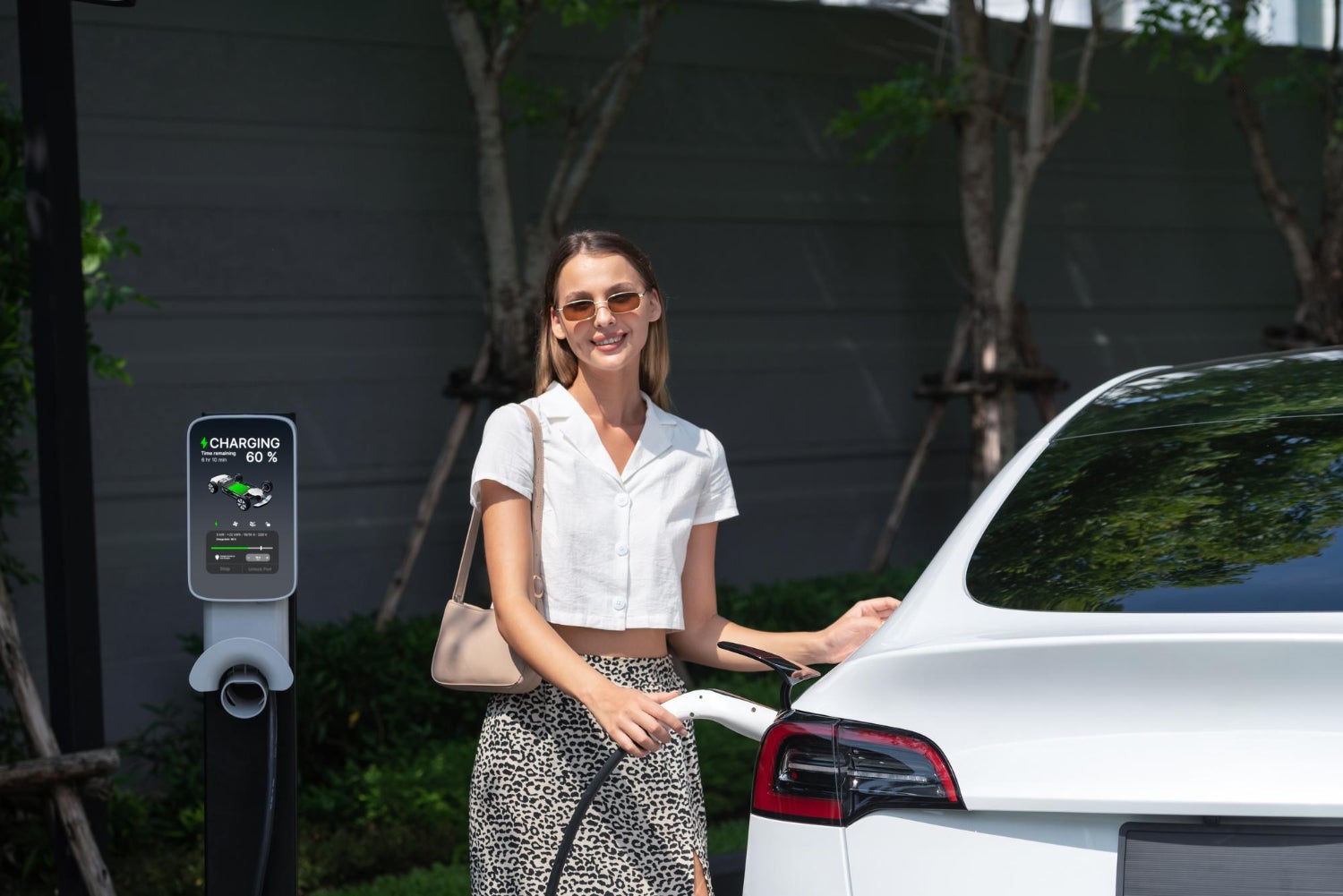
Thanks to the expanding charging station network, charging an electric car has become increasingly convenient. Whether at home, work, or on the road, the accessibility of charging an electric vehicle is steadily growing. Modern EVs boast impressive ranges, addressing the common concern of limited travel distances, while advancements in battery technology continue to enhance efficiency and charging speeds.*
Furthermore, the allure of government incentives and tax credits sweetens the deal for potential EV owners, letting you get behind the wheel with convenient financing options.
Benefits of Hybrid Vehicles
Hybrid vehicles offer a strategic compromise between conventional internal combustion engines and fully electric power. Notably, among the benefits is the enhanced fuel efficiency inherent in hybrids. Combining a gasoline engine and an electric motor allows these vehicles to optimize fuel consumption, resulting in superior mileage and reduced emissions compared to a traditional gasoline vehicle.
The regenerative braking system in hybrids contributes to their efficiency by capturing and converting kinetic energy into electricity during deceleration. This innovative feature improves fuel efficiency and aligns with the broader goal of sustainable transportation. Hybrids offer drivers the flexibility to navigate different driving scenarios.
While capable of running on electric power alone at lower speeds, the gasoline engine seamlessly engages at higher speeds or when additional power is required. For those seeking a transitional step towards sustainability, hybrids provide a pragmatic solution that balances efficiency, environmental impact, and driving convenience.
Buying an Electric or Hybrid Car Online
Our team is on hand to help you further compare the benefits of electric vs. hybrid vehicles to ensure you’re set up with the model that best suits your unique driving needs. Do you want to embrace zero tailpipe emissions? Are you looking to conserve fuel? When buying your ideal electric or hybrid car online, you can access information that empowers your decision-making process.
Our website's transparent pricing, customer ratings, and feature comparisons enable you to find the best deal tailored to your preferences. Make an informed decision when considering all our hybrid and EV models for sale.
Electric vs Hybrid: What to Expect
When comparing electric vehicles and hybrids in real-world use, the differences in how you plan fueling, maintenance, and daily driving are noticeable.
Electric vehicles operate on stored electricity and produce no tailpipe emissions, which changes how you refuel. Instead of stopping at gas stations, most EV owners plug in at home overnight and use public chargers when traveling. This changes ownership patterns for many Indianapolis-area residents, reducing frequent trips to the pump and shifting time toward convenient overnight charging.
Hybrids retain a gasoline engine, so refueling patterns remain familiar, but the gasoline engine works in concert with an electric motor to lower fuel consumption and emissions.
Maintenance demands also differ: EVs typically have fewer moving parts and avoid oil changes and many transmission repairs, while hybrids still require many traditional services but can see longer intervals between fill-ups. Both vehicle types benefit from dealer support for software updates and battery-related diagnostics, and both can qualify for regional incentives or dealer promotions that make ownership more affordable.
If you choose an EV for its quiet, instant torque, and simplified maintenance or a hybrid for its versatility and range peace of mind, we provide the guidance and local support you need to make a confident choice.
Electric vs Hybrid Test Drive
A test drive is the best way to understand the practical differences between electric and hybrid vehicles for your drives.
Pay attention to throttle response and how the car accelerates from a stop: EVs often feel faster thanks to instant electric torque, while hybrids feel more like conventional cars as the gasoline engine engages. Notice regenerative braking and whether you can comfortably drive using one-pedal control; many electric models let you adjust regen strength for smoother city driving.
Listen for noise and vibration at low speeds—EVs are substantially quieter and can make smaller sounds like HVAC and road noise more noticeable. Try the heating and cooling systems and observe whether climate control affects range or fuel use, especially if you plan to drive in cold winters or humid summers.
Our team can arrange focused test drives so you can evaluate both electric and hybrid models side by side.
FAQs
Q: How long do EV and hybrid batteries typically last?
A: Modern electric and hybrid batteries are engineered to retain functional capacity for many years. Battery health depends on charging habits, climate, and mileage, but many owners keep the original battery for the life of their ownership.
Q: What should I expect to pay to install a home charger?
A: Installation costs vary with your home’s electrical panel, desired charger level, and local electrician rates. Many homeowners choose a Level 2 charger for daily convenience; a local electrician or our service team can evaluate your home and provide an estimate that reflects what drivers in the Indianapolis area typically need.
Q: How do Level 1, Level 2, and DC fast chargers differ?
A: Level 1 uses a standard household outlet and is best for slow overnight charging. Level 2 requires a 240-volt circuit and is the typical home and public option for faster daily charging. DC fast charging is designed for rapid top-ups during long trips and is found along major routes and highway corridors. Charging speed and availability depend on station type and the vehicle’s charging capability.
Q: Are there local incentives or rebates I should know about?
A: Incentives and rebates for electric and plug-in hybrid vehicles change over time and can include federal tax credits, state programs, and utility rebates. Because eligibility varies by model and buyer, we recommend speaking with our sales team and checking current federal and Indiana programs to determine what incentives you can apply to your purchase.
Q: How does towing affect the range of EVs and hybrids?
A: Towing reduces electric range substantially because it increases energy demand. Some EV models are rated for towing, but expect a meaningful drop in range when hauling trailers or heavy loads. Hybrids and plug-in hybrids may handle towing more like traditional vehicles, but always verify the manufacturer’s tow rating and plan for decreased efficiency.
Q: Should I lease or buy an EV or hybrid?
A: Leasing can reduce long-term risk if you’re concerned about rapid technology changes or battery degradation, and it often keeps you under warranty for the lease term. Buying can be more economical if you plan to keep the vehicle long-term and can take advantage of incentives.
Explore the Benefits of Electric vs. Hybrid Vehicles
Choosing between electric vs. hybrid vehicles near Indianapolis, Plainfield, and Bloomington, IN, hinges on your priorities and lifestyle preferences. Let our Andy Mohr Automotive Group team help you when you contact us today so that you can get out to Brookside Park.
*SOURCE - afdc.energy.gov